
therapy goals
Vibroacoustic Therapy (VAT) is an FDA-approved wellness modality that uses sound vibrations to enhance both the physical and mental health of an individual. The therapy involves low-frequency sound waves that resonate with the body’s natural frequencies, triggering responses that promote relaxation, pain relief, and overall well-being.
Vibroacoustic therapy equipment has gained popularity due to its versatility and effectiveness in treating a variety of conditions. However, to maximize its benefits, it’s important to adjust the settings of the equipment according to specific therapy goals. Different goals such as pain management, stress relief, muscle relaxation, or improving sleep will require different settings to achieve optimal results.
For pain management, the vibroacoustic therapy equipment should be set to deliver low-frequency sound waves at moderate intensity. This allows the vibrations to reach deep into the muscle tissue, where they can help reduce inflammation, relieve muscle tension, and promote blood circulation. By increasing blood flow to affected areas, VAT helps provide pain relief and accelerates the healing process. For patients dealing with chronic pain conditions such as arthritis or fibromyalgia, the equipment may need to be used at a consistent, moderate level for extended periods to achieve sustained relief. Additionally, a therapist may adjust the frequency settings to target specific pain areas, ensuring that the therapy is personalized and effective.
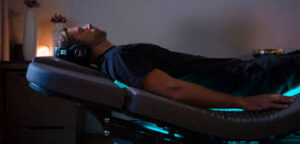
What settings should be used for different therapy goals?
When the therapy goal is relaxation or stress relief, vibroacoustic therapy equipment should be set to a gentle, soothing frequency. Low-intensity vibrations can trigger the parasympathetic nervous system, helping the body enter a state of relaxation. This setting is ideal for individuals experiencing high levels of anxiety or stress. For stress relief, it’s recommended to use the therapy for shorter, more frequent sessions to allow the body to unwind and calm the mind. This frequency range helps to reduce cortisol levels in the body, which are often elevated due to stress. Furthermore, the gentle vibrations promote a meditative state, helping individuals manage stress and find mental clarity.
For muscle relaxation and recovery, the vibroacoustic therapy equipment should be set to slightly higher frequencies and intensities. This helps to loosen tight muscles and alleviate tension caused by physical exertion, injury, or long-term muscle stiffness. Athletes and individuals recovering from surgery or injury can benefit from this setting, as it helps reduce soreness and improve mobility. The vibrations stimulate the muscles, increasing circulation and encouraging the release of endorphins, which are the body’s natural pain relievers. For muscle recovery, sessions can be longer, allowing the vibrations to work through the muscle tissue and promote healing.
In cases where the therapy goal is improving sleep, the vibroacoustic therapy equipment should be adjusted to emit a low-frequency, soothing vibration at low intensity. These settings help calm the nervous system and induce a state of relaxation conducive to sleep. For patients suffering from insomnia or other sleep disorders, the therapy can be used before bedtime to help the body unwind and prepare for rest. The vibrations also help balance the body’s circadian rhythms, promoting better sleep quality and duration.
At Vibroacoustic Solutions, we have designed vibroacoustic therapy equipment to be lightweight, portable, and modular, offering unparalleled affordability and versatility. Our products allow users to easily adjust the settings to match their specific therapy goals. Unlike traditional bulky and expensive equipment, our devices offer convenience and ease of use, making it possible to integrate therapy into everyday life. Whether at home or in a clinical setting, the adjustable settings of our vibroacoustic therapy equipment help ensure that each session is tailored to meet the unique needs of the individual, enhancing the therapeutic experience.
In conclusion, the settings of vibroacoustic therapy equipment play a crucial role in achieving different therapy goals. Whether the goal is pain relief, stress management, muscle relaxation, or improving sleep, the therapy’s effectiveness is enhanced by adjusting the frequency and intensity of the vibrations to meet specific needs. By using the right settings for each therapeutic goal, individuals can maximize the benefits of vibroacoustic therapy and enjoy improved physical and mental well-being.




+ There are no comments
Add yours