
materials are commonly used in flexible pcb board
Flexible PCBs (Printed Circuit Boards) rely on specific materials that provide the necessary flexibility, durability, and electrical performance required for various applications. These materials play a critical role in determining the reliability and functionality of flexible PCBs. Several key materials are commonly used in the construction of flexible PCB boards:
Polyimide, often referred to by its trade name Kapton, is one of the most widely used materials in flexible pcb board. It offers excellent thermal stability, chemical resistance, and mechanical flexibility, making it ideal for applications where high temperatures and harsh environments are a concern. Polyimide films serve as the base substrate for flexible PCBs, providing a stable foundation for the circuitry while allowing the board to bend and flex without damage. Additionally, polyimide films can be coated with adhesive layers or coverlays to protect the circuitry and provide insulation.
Polyester films, commonly known as PET (polyethylene terephthalate), are another popular choice for flexible PCB substrates. PET offers good mechanical properties, such as flexibility and tear resistance, making it suitable for applications where cost-effectiveness and durability are essential. While not as thermally stable as polyimide, PET films provide adequate performance for many flexible PCB applications, particularly in consumer electronics and industrial controls. PET films can also be laminated with adhesive layers and coverlays to enhance their mechanical and electrical properties.
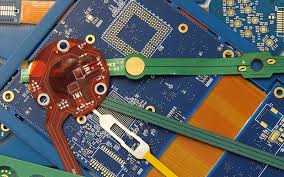
What materials are commonly used in flexible pcb board?
Adhesive materials are used in flexible PCBs to bond layers of substrate, copper traces, and other components together. These adhesives provide mechanical stability and ensure the integrity of the circuitry during bending and flexing. The type of adhesive used depends on factors such as the desired flexibility, temperature resistance, and compatibility with other materials. Common adhesive types include acrylic, epoxy, and silicone adhesives, each offering different properties and performance characteristics. Adhesive materials are typically applied as thin layers between substrate layers or as coatings on flexible PCB surfaces.
Copper foil is used to create conductive traces and pads on flexible PCBs, allowing for the transmission of electrical signals between components. The copper foil is typically laminated onto the substrate using an adhesive, and then etched to create the desired circuit pattern. Copper foil comes in various thicknesses and grades, depending on the electrical requirements of the application. Thicker foils provide better current-carrying capacity and mechanical strength, while thinner foils are used for fine-pitch traces and high-frequency applications.
Coverlay, also known as solder mask, is a protective layer applied to the surface of flexible PCBs to insulate the circuitry and provide mechanical protection. Coverlay materials are typically made from polyimide or polyester films coated with a heat-activated adhesive. The coverlay is applied over the copper traces and components, leaving openings for solder pads and vias. Once applied, the coverlay is heated and pressed onto the PCB surface, creating a durable protective barrier that prevents short circuits, moisture ingress, and mechanical damage.
Solder mask is a protective coating applied to the surface of flexible PCBs to prevent solder bridges and ensure proper soldering during assembly. Solder mask materials are typically epoxy-based polymers that provide excellent adhesion to the substrate and resist thermal cycling and chemical exposure. The solder mask is applied over the copper traces and components, leaving exposed areas for soldering. Once applied, the solder mask is cured using heat or UV light, creating a durable protective layer that improves the reliability and performance of the flexible PCB.
In conclusion, the materials used in flexible PCBs are carefully selected to meet the specific requirements of each application, balancing factors such as flexibility, durability, thermal stability, and electrical performance. Polyimide and polyester films serve as the base substrates, while adhesive materials, copper foil, coverlay, and solder mask are used to create the circuitry and provide protection. By choosing the right materials and manufacturing processes, engineers can ensure that flexible PCBs meet the demanding performance standards of modern electronic devices and systems.

+ There are no comments
Add yours