
Form E Divorce
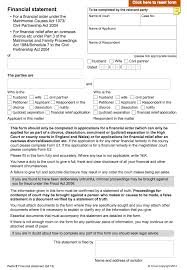
When you get divorced, or end your civil partnership, the courts have a duty to ensure that full and frank financial disclosure is made in relation to your assets and debts. This is set out in the form e divorce, which both parties must complete and exchange. This forms part of the ‘computation exercise’ that will determine what your financial settlement should look like. Without the information contained within Form E, it is impossible for the court (or you) to make an informed decision as to what should be included in your settlement.
As such, it is essential that you seek the assistance of a specialist family lawyer to assist you in completing your Form E. They will be able to index your bank statements and other documents and help you to collate the evidence that will need to be provided in order to fully complete the form. They will also be able to advise you as to what needs to be included in the form and how best to include it in order to minimise disputes later on.
The Form E contains a number of questions on income and assets, as well as debts, needs, and expenditure. It will ask you to provide documentary evidence in support of your answers, including any valuations and appraisals of property and other assets that are relevant (including shares, vehicles etc). It is a requirement that the information on your Form E is accurate and up-to-date. Both parties are required to disclose all assets held in their own name, and those held jointly with a spouse/partner, as well as their current and anticipated future income and expenditure.
What is the Form E Divorce?
A failure to comply with the Court’s requirements in respect of completing and exchanging your Form E could have serious consequences for you if it ends up being used as evidence in your final financial settlement. In the worst-case scenario, if you refuse to cooperate with your former partner by voluntarily providing them with your Form E, they can issue court proceedings in order to compel you to provide it. In such circumstances, you would usually be ordered to pay their legal costs.
When you have received full and frank financial disclosure from your former partner in the form of their Form E, it allows both parties to consider the whole picture when negotiating a financial settlement. It is much easier to reach an agreement about the division of assets, including property, savings, pensions and even business assets when both parties have a clear picture of the overall finances.
Whilst the majority of information on a Form E is relatively straightforward, there are sections that can be quite tricky to understand, particularly where it comes to the valuation of property and other assets. This is where the assistance of a specialist divorce solicitor is most advisable, as they will be able to offer guidance and avoid any potential misunderstandings or disputes. A solicitor can also ensure that the information you have provided is accurate and up-to-date.

+ There are no comments
Add yours