
circuit board’s lifespan
The lifespan of a circuit board, often referred to as a printed circuit board (PCB), is a crucial factor that influences the reliability and longevity of electronic devices. Understanding the lifespan of circuit boards helps manufacturers and consumers make informed decisions regarding design, usage, and maintenance. The lifespan of a circuit board can vary significantly depending on several factors, including material quality, environmental conditions, usage patterns, and design considerations. This article explores these factors in detail and provides insights into the typical lifespan of circuit boards.
The materials used in the construction of a circuit board play a significant role in determining its lifespan. Most PCBs are made from fiberglass epoxy (FR-4), which provides a good balance of durability, thermal stability, and electrical insulation. However, higher-quality materials, such as polyimide or Teflon, can enhance the lifespan of a circuit board, especially in high-temperature or high-frequency applications. Additionally, the quality of solder used in the manufacturing process can also impact longevity; higher-quality solder materials are less prone to degradation over time.
The operating environment in which a circuit board functions is another critical factor affecting its lifespan. Factors such as temperature, humidity, exposure to chemicals, and mechanical stress can significantly impact a board’s durability. For instance, extreme temperatures can cause thermal expansion and contraction, leading to physical stress and potential failure of solder joints and components.
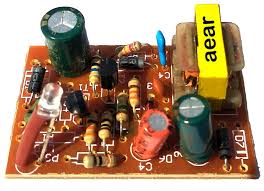
What is a circuit board’s lifespan?
Humidity can promote corrosion, especially in metal components, leading to degradation of electrical connections. Similarly, exposure to harsh chemicals or contaminants can also accelerate the deterioration of circuit boards. In general, circuit boards designed for industrial or outdoor applications must be built to withstand more severe environmental conditions compared to consumer electronics.
How a circuit board is used can greatly influence its lifespan. Boards that are subjected to constant heavy usage, high temperatures, or significant electrical stress are likely to have a shorter lifespan than those used in more controlled conditions. For example, circuit boards in high-performance computing applications or telecommunications equipment may experience high-frequency signals and heavy processing loads, leading to greater wear and tear. Conversely, circuit boards in devices that are used intermittently or in stable environments tend to last longer. Regular maintenance and care can also extend the life of a circuit board, as issues such as dust accumulation or overheating can be addressed proactively.
The design of a circuit board plays a crucial role in its longevity. Boards that are well-designed with adequate spacing between components, proper heat dissipation mechanisms, and effective grounding tend to perform better over time. Designers must also consider the layout of the circuit traces, as poorly designed traces can lead to signal integrity issues and increased resistance, ultimately affecting the board’s lifespan. Additionally, the selection of components is vital; using components rated for higher stress levels can ensure better longevity. The use of protective coatings, such as conformal coatings, can also shield the circuit board from environmental factors, enhancing durability.
The typical lifespan of a circuit board can range from several years to several decades, depending on the factors mentioned above. Many consumer electronics, such as smartphones and laptops, may have a lifespan of about 3 to 5 years due to rapid technological advancements and wear from frequent use. In contrast, industrial circuit boards, which are designed to endure harsher conditions, can often last 10 to 20 years or longer with proper care and maintenance. High-reliability applications, such as aerospace and medical devices, may require even longer lifespans, leading to designs that prioritize durability and longevity.


+ There are no comments
Add yours