
solo piano
Piano transcription is the process of adapting a piece for a different instrumentation. Pianists have a long history of creating arrangements of their favorite songs, orchestral works, or operas for the piano. The process of piano transcribing has many benefits – it allows pianists to play music that would otherwise be impossible, and it also allows virtuosos to impress audiences with their unsurpassed skill. The art of piano transcription has been a valuable tool for centuries, and it continues to serve pianists today.
While many people associate transcription with classical music, this genre also has a long history in jazz and popular music as well. For example, jazz pianist Geoffrey Keezer has a lengthy discography of transcribed solo piano compositions. These transcriptions are based on his recorded performances, and they allow pianists to learn and master these classic tunes in the style of one of the most talented musicians of our time.
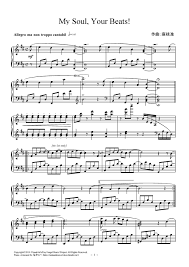
Jazz piano transcriptions can be an excellent way to learn improvisation, bebop, comping, chord voicings, and more. These note-for-note transcriptions from legendary jazz artists include dozens of the best jazz piano solos. You’ll find music by Miles Davis, Thelonious Monk, Stan Getz, Oscar Peterson, and more. These transcriptions are available in PDF format, making it easy to practice at home or on the go.
https://tartalover.net/nicole-pesce
transcriptions for solo piano
Another great piano transcription comes from Rachmaninoff himself. This is his version of Franz Behr’s “Lachtaubchen,” a popular salon piece from the composer’s early years. Rachmaninoff’s arrangement shows the deep understanding of composers’ intentions and pianistic devices that he possessed. It recreates the sound of the orchestra on the keyboard with a remarkable degree of accuracy.
https://m.youtube.com/@tartalover2682/videos
As a tribute to his friendship with violinist Kreisler, Rachmaninoff arranged many of his works for piano as well. The two composers shared a common background as Russian-born professional performers in the United States, and it was important to both of them that their works be heard by as wide an audience as possible. This is particularly true for the case of Rachmaninoff’s arrangement of the patriotic Star Spangled Banner, which is a melancholy landscape without rocketing flares or glittery bombast.
Throughout the history of jazz, piano transcription has been a vital tool for advancing pianists’ skills and expanding their repertoire. Artist Transcriptions feature authentic, note-for-note transcriptions from iconic jazz artists that can be used for performance, sequencing, or as historical reference. The sheet music is easy to read, and it includes all essential lines. These outstanding piano transcriptions are a must for any serious musician or fan of jazz.


+ There are no comments
Add yours