
Quick Turn PCB Fabrication Compare to Aluminum PCBs
As the electronic industry continues to innovate rapidly, bringing leading-edge products to market quickly has become increasingly important. This has fueled a boom in quick-turn PCB fabrication services, which offer high-quality prototyping and low-volume production for those who need it. But balancing quality and speed in the world of quick-turn PCBs requires a unique set of skills that extends well beyond mere technical expertise.
Achieving this balance requires a thorough understanding of how quick-turn manufacturing processes work, from the perspective of both design and production. Those who understand these processes better can make more informed choices regarding the products they choose to create. This article aims to illuminate these often-overlooked aspects of the quick turn pcb fabrication process, giving professionals valuable insights into the best ways to optimize their designs for rapid production.
The earliest stages of any electronic project require prototypes of the final product, and the fastest way to get these prototypes is with quick turn PCBs. Prototypes allow engineers to test the functionality of their new products in a short time frame, and these tests can help them fine-tune the final design for production. However, it’s important to realize that quick-turn prototypes are not suitable for every type of project. For example, cutting-edge builds and complex fab jobs will likely result in appreciable delays, which is antithetical to the objectives of quick-turn PCBs.
Once engineers have a working prototype, they can begin to scale up their production runs for the full product. For this, they’ll need to find a quality manufacturer or assembly house that can accommodate their production needs in a timely manner. When choosing a manufacturer, they must consider the quality of the equipment and staff, as well as how fast they can produce a full batch of PCBs.
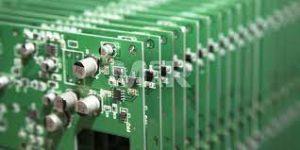
How Does Quick Turn PCB Fabrication Compare to Aluminum PCBs?
A quality manufacturer that specializes in quick-turn production will be able to meet the demanding specifications of their clients while maintaining the highest levels of quality. This is possible because these manufacturers have a dedicated team of technicians who are familiar with the ins and outs of the manufacturing process. This means that they can identify issues that may impact production times and address them accordingly.
In addition, the use of streamlined testing protocols is essential to ensuring that the quality of the final products meets the client’s expectations. These testing methods include automated optical inspection (AOI), X-ray inspection, and functional circuit testing. These techniques ensure that even those areas of the product that are not visible to the naked eye meet established quality standards.
As technological innovation continues to transform the electronics industry, the demands on quick-turn PCBs will only increase. Fortunately, the latest advancements in advanced materials technology, PCB fabrication automation, and supply chain coordination are already making it possible to squeeze PCB fabrication lead times still further. This is helping to push production times and quality levels closer together, enabling engineers to bring innovative products to market faster than ever before.
During this stage, the technician will use an automated optical inspection (AOI) system to check for missing components, short circuits, and other defects that aren’t visible to the naked eye. For more complex PCBs, X-ray inspection may also be used to examine inner layers and hidden joints.


+ There are no comments
Add yours