
copper plating contribute to electronic circuit board assembly
Copper plating plays a pivotal role in electronic circuit board assembly, serving as a fundamental component that facilitates electrical conductivity and connectivity within the circuitry. This essential process involves the deposition of a layer of copper onto the surface of the circuit board, creating conductive pathways that allow for the seamless flow of electrical signals between components. The application of copper plating not only enhances the performance and reliability of electronic devices but also enables manufacturers to achieve greater flexibility and efficiency in the assembly process.
One of the primary functions of copper plating in electronic circuit board assembly is to establish reliable electrical connections between components and the circuit board. Through a process known as electroplating, a thin layer of copper is deposited onto the surface of the circuit board, forming conductive traces that link various electronic components together. These copper traces serve as pathways for the transmission of electrical signals, enabling the proper functioning of the circuitry. By ensuring robust electrical connectivity, copper plating helps minimize signal loss, interference, and impedance mismatch, thereby optimizing the performance of the electronic device.
Moreover, copper plating plays a crucial role in enabling the miniaturization of electronic devices. As electronic devices continue to shrink in size while demanding increased functionality, the space available for circuitry becomes increasingly limited. Copper plating allows manufacturers to create dense and intricate patterns of conductive traces on the surface of the circuit board, maximizing the use of available space and accommodating a greater number of components within a smaller footprint. This capability is particularly advantageous in applications where space constraints are a significant consideration, such as mobile devices, wearables, and IoT (Internet of Things) devices.
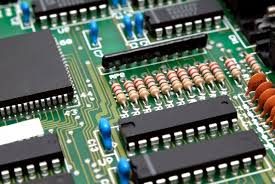
How does copper plating contribute to electronic circuit board assembly?
In addition to enhancing electrical connectivity and enabling miniaturization, copper plating also contributes to the thermal management of electronic circuit board assembly. Copper is known for its excellent thermal conductivity, meaning it can efficiently dissipate heat generated during the operation of electronic devices. By incorporating copper-plated traces and planes into the circuit board design, manufacturers can create efficient thermal pathways that help dissipate heat away from critical components, preventing overheating and ensuring the long-term reliability of the device. Effective thermal management is especially crucial in high-performance applications such as computer systems, automotive electronics, and industrial equipment.
Furthermore, copper plating plays a significant role in ensuring the mechanical stability and durability of electronic circuit board assemblies. The adhesion of copper to the substrate surface provides mechanical support and reinforcement, helping to prevent the delamination or separation of the copper traces from the circuit board. This ensures that the electrical connections remain intact even under mechanical stress or vibration, thereby reducing the risk of intermittent connectivity or failure. Additionally, copper plating enhances the resistance of circuit boards to corrosion and oxidation, extending their lifespan and reliability in harsh operating environments.
In conclusion, copper plating is a crucial process in electronic circuit board assembly, offering numerous benefits that contribute to the performance, reliability, and functionality of electronic devices. From establishing reliable electrical connections and enabling miniaturization to enhancing thermal management and ensuring mechanical stability, copper plating plays a multifaceted role in modern electronics manufacturing. As the demand for smaller, faster, and more reliable electronic devices continues to grow, the importance of copper plating in electronic circuit board assembly remains undeniably significant, driving innovation and advancement in the field.


+ There are no comments
Add yours