
Flex Circuit Manufacturers Practices
Unlike rigid PCBs, which are typically used in electronic devices, flex circuits have more flexibility and durability. This makes them ideal for wearable technology, medical devices, IoT applications, and many other products. This adaptability allows for more advanced functionality, allowing manufacturers to develop lighter, more comfortable products while aligning with sustainable manufacturing practices.
As a result, the use of a flex circuit can help reduce weight and cost, while also increasing the lifespan of the device and reducing the likelihood of failure and waste from mechanical damage. However, despite the numerous advantages of using a flexible printed circuit board (PCB), the design process for such a product can be complex. This is mainly because of the different considerations that need to be taken into account, including the material types/availability and its bend capabilities/flexibility.
To ensure that a flex circuit manufacturer can reliably handle the intended level of bending, it’s crucial to incorporate the appropriate amount of stiffeners in the design process. Stiffeners are localized layers of rigid material, such as FR4, kapton, or aluminum, that can be added to the flex circuit stack-up in order to increase its thickness and rigidity, particularly in areas where there will be high levels of flexing. These stiffeners can be attached to the flex PCB by either using acrylic thermally cured adhesives or epoxy adhesives.
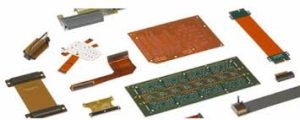
How Do Industry Standards Impact Flex Circuit Manufacturers Practices?
Another important consideration when designing a flex circuit is the placement of vias, which must be avoided wherever possible to avoid stress fractures and/or solder joint failure. In addition, it is advisable to limit the number of vias placed near a bending area and to only place such vias over a stiffener. Additionally, adding tabs or anchors to vias can assist in stopping peeling, which is common on flexible circuits.
Lastly, when routing traces on a flex circuit, it’s vital to consider the impact of any bend points on the circuit. This is because higher current carrying traces can cause the copper to crack when subjected to excessive bending. In order to minimize this risk, it is recommended that designers stagger traces over these areas and to ensure that they’re perpendicular to the bend point.
The final step in the flex circuit fabrication process is cutting it out, which can be achieved by either blanking or using a die and punch. For high-volume production, blanking is a more efficient approach as it allows the manufacturer to manufacture multiple flex circuits at once.
When choosing a flex circuit manufacturer, it is important to look for one with the appropriate certifications and experience. Quality certifications, such as ISO 9001 and IPC standards, are non-negotiable as they indicate the manufacturer’s commitment to maintaining rigorous production standards. These standards, which cover everything from materials selection to assembly, also serve to safeguard your flex circuit against potential problems.
When working with a flex circuit manufacturer, it’s also crucial to schedule an in-person meeting to ensure that you’re both on the same page regarding your project. This will also allow you to ask any questions and address any concerns that may arise during the planning phase of your project.


+ There are no comments
Add yours