
experience of a flexible PCB supplier
As more engineers and companies adopt flexible PCB technology, it is imperative to find a manufacturing partner that understands the complexities of these designs. The right supplier will be able to optimize and produce your flex circuit boards to meet engineering and design expectations, while keeping production costs low. Choosing an experienced flexible pcb supplier will save you time, money, and headaches.
The first step is to research prospects by searching online, using trade magazines and directories, and contacting other manufacturers. Once you have a list of potential candidates, verify their qualifications by reviewing their certifications and capabilities. Then, narrow down your selections by evaluating past work and samples of flex circuits they have produced. Finally, review pricing structures and production lead times to determine if they fit your needs.
Flex circuits are thinner than rigid PCBs, which means they have a higher flexibility and less weight. However, this flexibility can come at a cost when it comes to durability. To maintain the integrity of your flex circuit, it is important to use the proper materials and design strategies to mitigate stress. Some examples include using thicker dielectrics for critical areas, minimizing stiffeners, and only applying shielding where necessary.
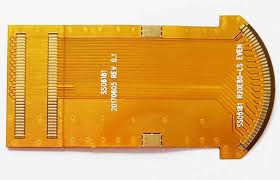
How can I assess the experience of a flexible PCB supplier?
Another factor that can impact the quality of a flex circuit is the thickness of its copper layer. In order to maintain the integrity of the copper, it is important that the thickness be appropriate for the type of material used. Thicker copper layers will increase the electrical resistance of the circuit, while thinner layers will reduce it. As a result, it is important to analyze the design and select the appropriate thickness of copper for each application.
The type of base raw material also plays a role in the quality of a flex circuit board. There are three main types of base raw materials for a flex circuit: Poyester (PET), adhesive Polymide (PI), and adhesiveless Polymide (PII). The most popular choice is PET because it is more environmentally friendly than PI and PII.
Lastly, it is important to ensure that your flex circuits are properly tested and packaged for shipping. A good way to do this is by using a test board that contains all of the components and connections in your final product. This test board can be used to conduct a power-on self-test to make sure everything works correctly. In addition, it can be used to test the flex circuit for bending and torsion.
Choosing a flexible pcb supplier can be a daunting task, but it is essential to follow these steps to ensure that you receive a high-quality finished product. The key to success is finding a manufacturer that can meet your design requirements and budgetary constraints, while providing exceptional customer service. By taking the time to evaluate multiple prospects, you can select a qualified and trustworthy partner that will help bring your innovative products to market.


+ There are no comments
Add yours