
Beauty Products
Building a beauty routine is an exciting and potentially pricey endeavor. But how do you know which products are worth the splurge and which are better saved for the drugstore? We asked experts across all areas of cosmetics — from skin care to hair — for their insight into what’s really worth it and which aren’t. They also shared their best tips on how to make those splurge-worthy items work for your budget.
Experts say that it’s important to first consider what ingredients you want to splurge on, as not all high-end products are created equal. Many of the higher-priced beauty products on the market have proven scientifically-backed ingredients that are effective in delivering results. In comparison, lower-priced beauty products may use less potent and proven ingredients or may be formulated with cheaper fillers that don’t produce the same level of effect.
“High-end brands can afford to pay more for the best, rarest and highest quality ingredients in their products,” says NewBeauty’s Senior Editor at Large Sarah Eggenberger. This could explain why the resulting products can be more expensive than their counterparts at the drugstore, but they’re often well worth the investment for your skin and your wallet in the long run.
It’s also important to remember that just because a product claims to be clinically proven, it doesn’t mean it’ll have the same result for every person who uses it, especially if they have different skin types and issues. This is why many experts recommend getting accustomed to reading a product’s label and checking out the clinical studies behind the ingredients before deciding whether or not it will benefit your skin.
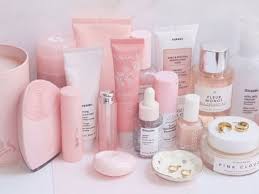
Are They Worth the Investment?
Some beauty terms get thrown around a lot more than others (like “cosmeceutical,” “clinically effective” and “professional-strength”) and the government does not regulate these terms, which can be misleading. However, some terms do have meaning such as hypoallergenic and noncomedogenic, which are actually regulated by the FDA.
Another consideration is how a specific ingredient feels on the skin, which can also affect how it works. For example, a luxurious cream may have a silky texture that makes it feel more elevated on the skin and can provide more of a luxury experience.
Overall, it’s important to find what works for your unique skin and budget. Ross suggests looking for cleansers with a good amount of active ingredients and adding a serum to your regimen. Scibelli agrees that you can splurge on serums because they tend to contain a higher concentration of active ingredients and deliver more dramatic, longer-lasting effects than over-the-counter versions. But when it comes to moisturizers, he says you can typically save. He recommends this one from Neutrogena, which provides a natural glow and is super affordable.
Consumer demand for cruelty-free products is also on the rise. Many beauty care products now proudly advertise their commitment to being cruelty-free, catering to ethically conscious consumers. This shift is not just a marketing strategy; it signifies a broader change in societal values regarding animal rights and welfare. Moreover, there is growing evidence that animal testing may not always provide accurate predictions of human reactions. Biological differences between species can lead to misleading results, making it imperative for the industry to find more reliable and humane alternatives.

+ There are no comments
Add yours