
Working Line German Shepherds Good in Search-and-Rescue
German Shepherds are renowned for their versatility, keen senses, and trainability. This makes them exceptional partners in search-and-rescue operations. Whether they’re locating missing people or assisting during disasters, they play a vital role in saving lives. Proper training and understanding their needs enable them to thrive in critical situations.
Throughout history, generations of herding and guardian instincts have instilled in these dogs a natural drive to help humans. Their agility and robust bodies allow them to move easily in different environments, overcoming obstacles as they go. Their remarkable endurance and resilience also make them ideal for long missions. Their exceptional senses allow them to pick up sounds, including cries for help, from long distances.
While all German Shepherds are good in SAR, working line German Shepherds have exceptional skills and an unmatched temperament that make them unequalled in law enforcement, private security, and high-level military use. They’re highly intelligent, fast learners, and incredibly loyal. They enjoy satisfying their owners and getting the job done, displaying excellent work ethic. They’re also easy to train, and they have a strong desire to perform.
Selective breeding preserves these dogs’ essential traits, including mental clarity and physical strength link. This approach focuses on function over appearance, making them an optimal choice for challenging roles like SAR. However, working line German Shepherds are more energetic and require significant exercise and mental stimulation. They’re best for active and experienced owners who can meet their needs.
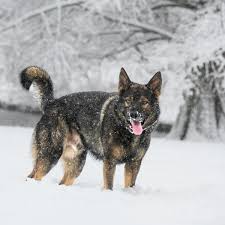
Are Working Line German Shepherds Good in Search-and-Rescue Operations?
The working line German Shepherds are those that trace their ancestry back to this original, utilitarian purpose. Over time, breeders focused on maintaining and enhancing the working abilities of the breed. They sought to cultivate dogs that had an instinctive drive to work, a high level of intelligence, strong instincts, and unwavering focus. This led to the development of working line German Shepherds that are specialized for specific roles like law enforcement, military, and search and rescue.
When it comes to German Shepherds, show lines focus on sexy looks and competitive performance, while working line GSDs are bred for functionality. Working line GSDs are a result of Max von Stephanitz’s goal for all-purpose working dogs that have the power and intelligence to serve police, military, and other demanding roles working-dog.com.
Show and working line German Shepherds have different temperaments that can be good or bad for SAR. For example, show line GSDs are more likely to attack fast-moving persons or animals because they perceive them as prey. In contrast, working line GSDs are calmer and more tame at home but may be aggressive in dangerous situations ckc.ca.
Both working and show line German Shepherds can be good in SAR, but it’s important to consider a dog’s personality and temperament when selecting one for this type of work. SAR teams need dogs with confidence, a strong work ethic, and the ability to focus on the task at hand. Additionally, it’s crucial to choose a responsible breeder who ensures the health of their pups. This includes veterinary testing, DNA screening for hereditary diseases, and regular k-9 fitness activities. Responsible breeders will provide proof of health and genetic screening before selling their puppies to ensure they’re fit for SAR roles. These tests also help avoid hip and elbow dysplasia, which are common in GSDs. These hereditary diseases cause painful arthritis and mobility issues, so proper veterinary care and exercise are vital.

+ There are no comments
Add yours